- HOME
- Technology & Trends
- Why real-time visual collaboration is the key to modern teamwork
Why real-time visual collaboration is the key to modern teamwork
- Last Updated : November 6, 2025
- 273 Views
- 5 Min Read

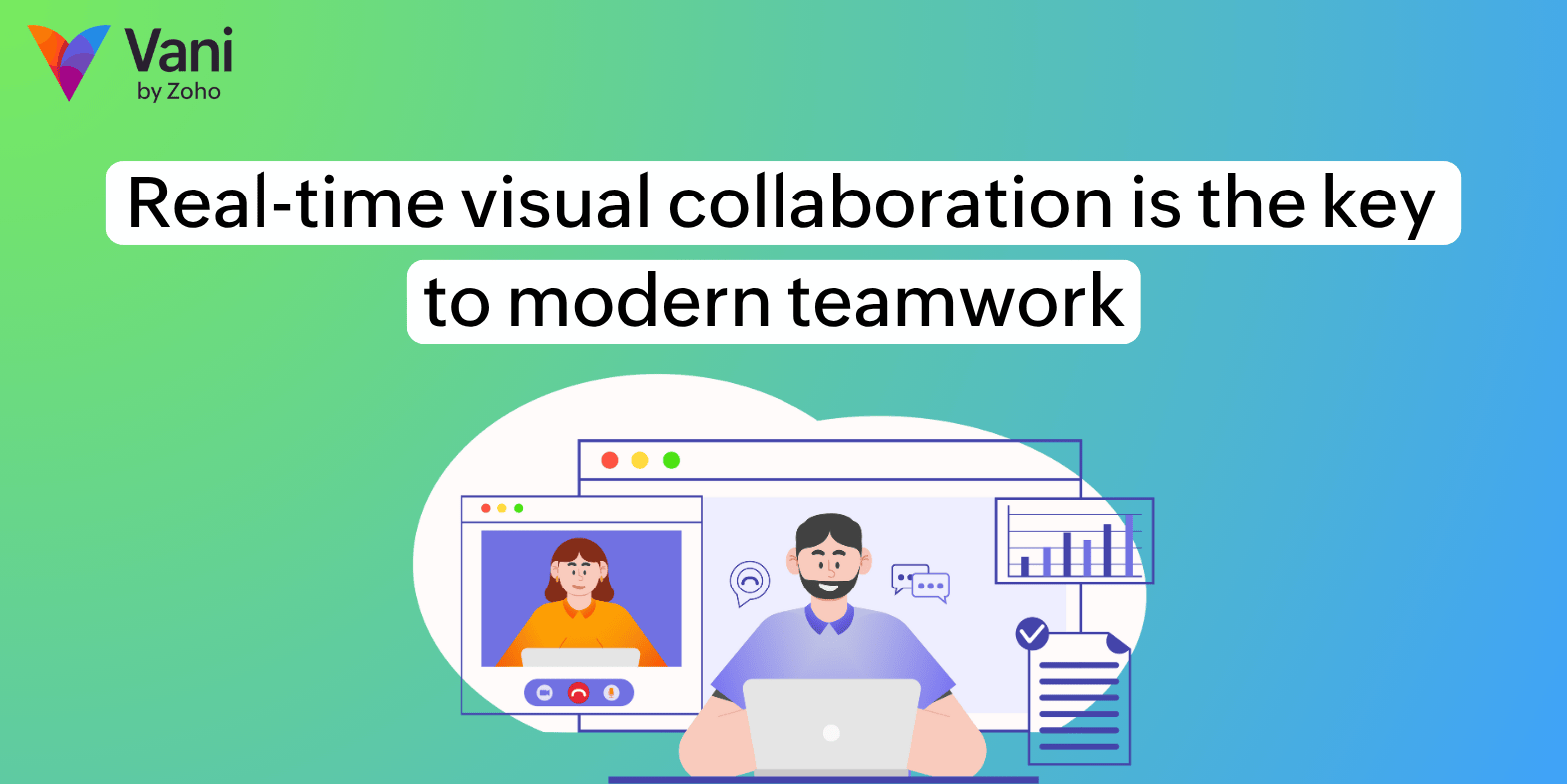
The most productive teams today aren’t defined by where they sit but by how they connect. A decade ago, collaboration meant people gathering around a conference table or scribbling ideas on a physical whiteboard. Today, that same energy exists across screens and between colleagues scattered around the world.
But with distance comes a new challenge: How do teams recreate the magic of shared creativity without being in the same room? Emails and chat threads capture words, not intent. Meetings collect updates, not ideas. What’s often missing is the space where imagination and execution meet the moment when a concept becomes visible, editable, and shared.
This is the gap real-time visual collaboration fills. With tools like live whiteboards and advanced team productivity tools, teams can sketch, plan, and refine ideas together as if they were side by side. Everyone sees progress unfold, decisions happen faster, and creativity becomes something collective rather than individual work.
As work becomes increasingly digital and distributed, visual collaboration isn’t just a modern convenience; it’s becoming the foundation of how teams build alignment, clarity, and results. In this blog post, we'll dive into how this evolution is redefining teamwork and driving a new era of productivity.
The evolution of collaboration
For years, collaboration meant meetings, endless rounds of discussions, follow-up emails, and static PowerPoints that struggled to capture the energy of live brainstorming. Even with chat tools and video conferencing, much of that creative spark was lost in translation.
Instead of waiting for updates or long meetings, teams can now work together in shared digital spaces where everyone’s contributions appear instantly. It’s no longer about one person presenting while others listen—it’s about multiple minds thinking, sketching, editing, and refining ideas together.
For example, imagine a product launch planning session. Instead of slides and scattered notes, the team opens a live workspace. The marketer drafts campaign headlines, the designer adds visuals, the data analyst drops in performance graphs, and the project manager connects everything into a timeline. Every change is visible, every thought is captured, and every team member can contribute on the spot. That’s the power of real-time visual collaboration: speed and creativity working hand in hand.
Why visual thinking enhances productivity
Human process visuals faster than text. That’s one reason why whiteboards have always been a favorite brainstorming tool: they let teams see their thoughts. Digital live whiteboards take this concept further by removing the physical limits of a traditional board and bringing in dynamic capabilities.
In a live whiteboard session, teams can combine handwritten notes, sketches, images, sticky notes, and even data charts all on one shared canvas. This visual approach encourages participation and clarity. Complex concepts that would otherwise take paragraphs to explain can be illustrated in seconds.
Visual collaboration also reduces misunderstandings. When every team member sees the same diagram or flow, there’s less room for misinterpretation. Decisions become data-driven and transparent.
How live whiteboards redefine collaboration
A live whiteboard is not just a blank canvas—it’s a hub where creativity and structure meet. It gives a dedicated space for templates, voting sessions, color-coded tasks, and integrations with project management tools.
Shared creativity across teams
Designers, developers, and marketers can work together on a single board. While one creates wireframes, another adds feedback directly beside it, eliminating long feedback loops and fostering co-creation instead of handovers.
Instant feedback and iteration
Traditional brainstorming often ends with a promise to revisit ideas later. With live whiteboards, feedback happens immediately. Teams can vote, react, and modify ideas on the spot, leading to faster alignment and reduced turnaround time.
Structured yet flexible
Most live whiteboards offer templates for journey maps, workflows, product roadmaps, and brainstorming sessions. This structure helps teams stay organized while leaving room for spontaneous creativity.
Engagement that feels natural
When everyone sees their input reflected instantly, collaboration feels alive. It’s not about attending another meeting—it’s about participating in a shared creative process that feels engaging and fun.
Bridging the remote work divide
Remote and hybrid work have unlocked new possibilities and new challenges. Without face-to-face interaction, teams can feel disconnected. Context gets lost, ideas are misunderstood, and engagement fades.
Real-time collaboration tools counter this isolation by recreating the dynamics of in-person teamwork in a digital space. A live brainstorming session on a shared whiteboard mimics the spontaneity of standing around a physical board. Everyone can see contributions appear in real time, creating a sense of togetherness, even from miles apart.
This visual connectedness also builds empathy. When team members see what others are contributing, it reinforces the idea that collaboration is a shared effort. Over time, this strengthens relationships, improves trust, and enhances the team’s overall productivity and morale.
The hidden benefits of real-time collaboration
While the obvious advantage is speed, real-time visual collaboration also offers deeper organizational benefits:
Breaking down silos
Cross-functional teams often work in isolated tools—designers in Figma, developers in GitHub, and marketers in spreadsheets. A live whiteboard unites them in one shared space, making collaboration cross-disciplinary.
Empowering every voice
In traditional meetings, louder or more senior voices tend to dominate. Real-time collaboration tools democratize input. Everyone can share their thoughts visually, at the same time, without interruption.
Faster onboarding and learning
When new members join a project, they can instantly view the live workspace, understand the project flow, and catch up on discussions. This visual context speeds up onboarding and minimizes dependency on long documents.
Better documentation and traceability
Unlike physical boards that get wiped clean, digital live whiteboards preserve everything: every note, comment, and diagram. They become a living record of the project’s evolution, which is valuable for reviews and accountability.
The future of team collaboration
The future of real-time collaboration is set to go beyond human-to-human interaction. Artificial intelligence is already making its way into whiteboard tools by suggesting layouts, summarizing meetings, and even identifying next steps automatically. These smart integrations will make collaboration faster and more intelligent.
Moreover, as teams continue to adopt hybrid work models, the importance of shared visual spaces will only grow. Future team productivity tools will focus on blending immersive experiences with measurable outcomes, bridging the creative and analytical sides of teamwork.
Conclusion
Real-time visual collaboration brings focus back to what truly matters: working together in the moment. It turns conversations into creations and meetings into momentum.
With the help of live whiteboards and connected team productivity tools, teams can think visually, decide faster, and build stronger outcomes together. The more teams that can see their ideas take shape collectively, the more aligned, efficient, and creative they become.
The future of teamwork isn’t just about better communication; it’s about shared vision—and that vision starts with real-time collaboration.