- HOME
- Technology & Trends
- Essential marketing templates for modern teams
Essential marketing templates for modern teams
- Last Updated : January 30, 2026
- 142 Views
- 4 Min Read

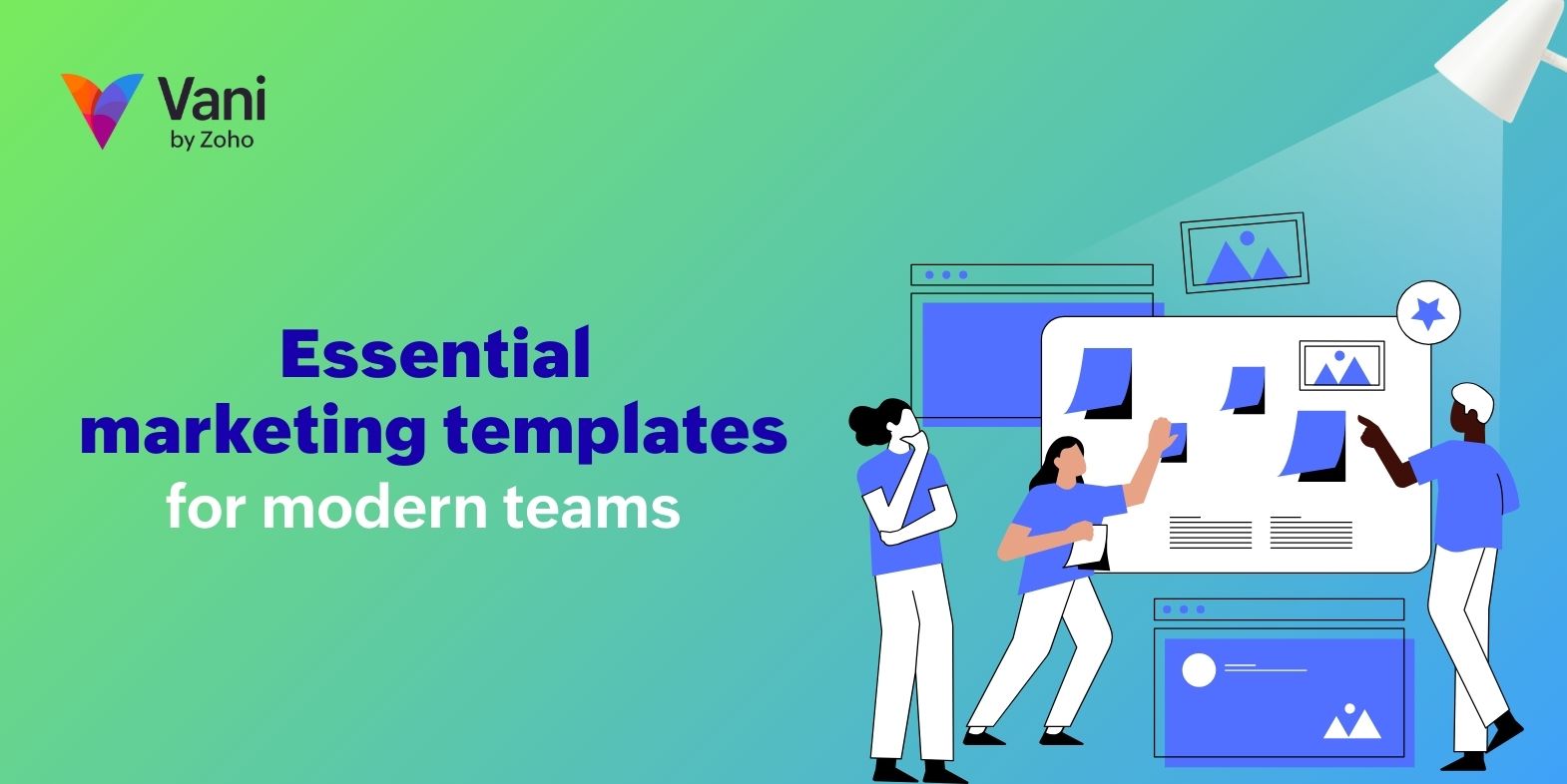
An almost everyday scene in a marketing team.
Ideation. Brainstorming. Campaign discussions. Content planning. Stand-up meetings. Ah, okay. Let’s breathe a little.
Because somewhere in between all of this, it becomes hard to tell what’s important right now and what can wait. Conversations don’t begin and end in meetings. Ideas evolve, feedback comes later, and plans keep shifting as more people get involved, whether your team is in the same room or spread across time zones.With so much happening every day, it’s easier when everyone can see the work in one place. When ideas, plans, and feedback sit together visually, teams don’t have to jump between conversations or rely on memory to stay on the same page.
When the to-do list is endless, a little help goes a long way. That’s where templates come in. They add structure, simplify what's already happening, and give teams a shared starting point to move forward together.
Templates across different stages of marketing
As ideas move from initial discussions to execution, the marketing templates that the team needs keep changing. Each stage calls for a different kind of structure.
Let's walk this together.
Strategy and direction
At the start of a marketing campaign or a new project, you’re not thinking about execution yet. You’re trying to understand direction.
At this stage, marketing templates play a key role in keeping execution organized. A strategic goal board makes priorities visible from the start, helping your team align before the heavy lifting begins. Strategy planning templates allow you to map initiatives and focus areas without feeling rushed into final decisions.
To keep that direction grounded, OKR planning helps connect marketing goals with clear outcomes, so the team stays on track even as plans evolve. Alongside this, product positioning supports early messaging discussions, helping you define the story you want to tell before campaigns even take shape.
Campaign planning and execution
Once the direction is clear, ideas begin turning into action. Campaigns move from conversations into timelines, tasks, and decisions that need coordination across people and teams.
This is where having the right templates makes a difference. A project kickoff template gives everyone a shared starting point, aligning goals, responsibilities, and expectations before execution begins. As campaigns move closer to launch, a marketing release checklist helps teams stay organized by tracking tasks, approvals, and readiness across stakeholders.
When decisions need to be made quickly, an impact–effort matrix helps you evaluate which campaign ideas are worth pursuing first and where your time is best spent.
Content and messaging
As campaigns take shape, attention turns to what you’re communicating and how that message shows up across channels.
Content planning often involves many moving parts—social posts, landing pages, campaign assets, and customer touchpoints—all needing to stay consistent while serving different purposes.
Templates help keep this process connected. Social media strategy and planning provides a clear view of content themes, platforms, and timing, making it easier to maintain consistency over time.
A customer touchpoint map helps you understand how messaging flows across the customer journey, ensuring content feels connected rather than scattered. When campaigns involve dedicated pages or microsites, a sitemap helps structure content clearly before design and development begin.
Ideation and brainstorming
Creative thinking rarely happens in a straight line. Ideas build on one another, evolve through discussion, and often arrive after meetings have ended.
Templates like round robin brainstorming create space for everyone to contribute, ensuring no voices are lost in the process. As ideas grow, an affinity diagram helps group thoughts and uncover patterns that might otherwise go unnoticed.
When teams want to approach challenges differently, reverse brainstorming encourages fresh thinking by flipping problems on their head and exploring new perspectives.
Research and insights
Before campaigns go live, teams often step back to learn more about their audience, the problem they’re solving, and the landscape they’re operating in.
Templates like buyer personas and user personas help bring clarity to who you’re speaking to and what motivates them. A customer problem statement helps teams stay focused on real pain points rather than surface-level symptoms.
To round this out, SWOT analysis supports a broader view of strengths, weaknesses, opportunities, and threats, helping teams make informed decisions with confidence.
Review and optimization
Marketing doesn’t stop once a campaign ends. Reflection is where learning happens. Looking back helps teams understand what worked, what didn’t, and how to improve moving forward.
Templates like growth experiments provide a structured way to track tests and knowledge gained over time. The PDCA cycle supports continuous improvement by encouraging teams to plan, test, review, and refine.
For deeper reflection, an A3 report helps teams document outcomes, insights, and next steps in one clear view.
Final thoughts
Behind every campaign is a lot of invisible thinking: questions asked, ideas revisited, and decisions refined along the way. When teams have a place to capture that thinking and return to it together, work starts to feel lighter. Progress becomes easier, conversations feel more connected, and momentum builds naturally.
In the end, good marketing isn’t just about execution. It’s about staying connected to the thinking that got you there.